
Uber vs Lyft: The Complete 2024 Comparison Guide
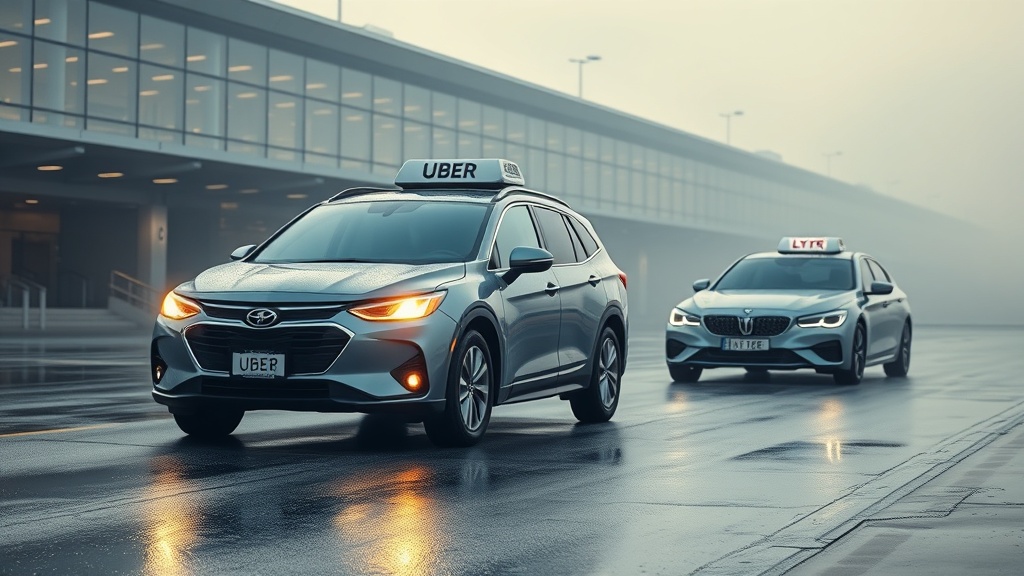
Uber vs Lyft: The Complete 2024 Comparison Guide

Choosing between Uber and Lyft can feel overwhelming when you’re in a hurry to catch a flight or navigate an unfamiliar city. Both apps dominate the rideshare market, but they have distinct differences that matter for your wallet, safety, and overall experience.
This comprehensive guide breaks down everything you need to know to make the right choice for your next trip.
Quick Comparison Overview
Before diving deep, here’s what you need to know: Uber operates in more cities globally and offers more service tiers, while Lyft focuses exclusively on the US market with a reputation for driver friendliness and consistent pricing. Neither is objectively “better”—it depends on your priorities, location, and travel needs.
Pricing: Which App Costs Less?
Base Fares and Rate Structure
Uber and Lyft use similar pricing models: base fare, per-mile charge, and per-minute charge. However, the actual costs vary by city and time of day.
Uber’s pricing advantage:
- UberX is typically the most affordable option in most markets
- Transparent upfront pricing on most rides
- Price matching sometimes available for other services
- Surge pricing can spike dramatically during peak hours
Lyft’s pricing advantage:
- Generally more stable pricing with less aggressive surge multipliers
- “Scheduled rides” feature allows you to lock in prices in advance
- Lyft Plus and Lyft XL offer good value for group travel
- Rewards program gives you discounts on future rides
Action item: Open both apps simultaneously before requesting a ride. You’ll see real-time pricing for your specific route and can compare instantly. The difference can be $5-15+ during busy times.
Service Options: What Rides Can You Book?
Uber’s Service Tiers
Uber offers more variety, which benefits different travel needs:
- UberX: Budget-friendly sedan option
- Uber Comfort: Mid-range with newer cars and extra legroom
- Uber XL: SUVs and larger vehicles for groups
- Uber Black: Premium luxury vehicles with professional drivers
- Uber Eats: Food delivery (relevant for airport waits)
Lyft’s Service Tiers
Lyft keeps it simpler:
- Lyft: Standard economy option
- Lyft Plus: Roomier vehicles for passengers with extra luggage
- Lyft XL: Larger vehicles for groups up to 6 passengers
- Lyft Lux: Premium service with high-end vehicles
For airport trips with luggage, Lyft Plus or UberX actually work well—drivers expect luggage and have trunk space. If you’re traveling with a group, both apps’ larger options are reasonable, though prices reflect the vehicle size.
Airport Transportation: Which Wins for Travel Days?
Airport pickups and drop-offs present unique challenges. Here’s what matters:
Wait Times and Availability
Uber typically has more drivers in major airports, meaning faster pickups. However, both apps now have dedicated airport drop-off zones that reduce confusion.
Pro tips for airport rideshares:
- Request your ride only after you’ve collected luggage and exited baggage claim
- Use scheduled rides (especially Lyft’s scheduled feature) for departures to guarantee a driver
- Factor in 15-20 minutes of wait time, even with good app coverage
- Check airport-specific instructions in the app—many have special pickup locations
Airport Surges and Costs
Both apps apply surge pricing at airports during peak travel times. Lyft’s surge is often more moderate. However:
- Scheduled rides lock in prices before surge hits—request these 5-10 minutes before you need pickup
- Flat-rate options may be available at some major airports through Uber
- Airport pickup fees vary by location; always check the app before confirming
Action item: For early morning or evening flights, schedule your ride the night before. You’ll avoid surge pricing and guarantee a driver even if demand spikes.
Safety Features: Who Prioritizes Your Security?
Both apps take safety seriously, but with different approaches:
Uber’s Safety Features
- Emergency button in the app
- Share ride details with friends/family
- Driver background checks
- 24/7 support
- In-app messaging only (no phone calls to driver)
- Audio/video recording options on premium tiers
Lyft’s Safety Features
- Real-time GPS tracking shared with emergency contacts
- “Say my name” verification (driver confirms passenger name)
- 24/7 support with dedicated safety team
- Video verification option
- Driver feedback system
- Panic button in the app
The reality: Both companies have faced safety controversies and settlements. Lyft’s “Say my name” feature is genuinely useful—it prevents someone from taking the wrong car. Uber’s emergency button is slightly more accessible in the interface.
Recommendation: Enable emergency contact sharing in whichever app you use. It takes 30 seconds and genuinely helps in emergencies.
Driver Ratings and Experience
Driver quality directly affects your experience:
Uber drivers:
- Slightly higher earning potential attracts more drivers
- Rating system is transparent (you see driver rating before booking)
- More casual atmosphere sometimes
- Faster growth means newer, sometimes less experienced drivers
Lyft drivers:
- Reputation for being friendlier and more attentive
- Lower acceptance rate for ride requests (more selective drivers)
- Higher average customer satisfaction scores in surveys
- Smaller driver base means you might wait slightly longer
For airport trips: Both are comparable. For evening rides home from the airport when you’re tired, Lyft drivers statistically rate higher for friendliness.
City Travel Tips: Maximizing Your Rideshare Experience
Best Practices for Urban Travel
1. Use bike lanes and pedestrian-friendly pickups Request pickups on less-congested streets when possible. Major avenues during rush hour mean delays.
2. Avoid peak surge times
- Friday/Saturday 11pm-2am: Heavy surge
- Weekday 7-9am and 5-7pm: Commuter surge
- Event let-outs: Unpredictable spikes
3. Pre-plan your routes Know major streets and intersections. Giving drivers specific locations beats vague addresses.
4. Leverage both apps Keep both installed and open when traveling. Compare prices in real-time. This is your best cost-saving strategy.
5. Timing matters more than the app Riding at 3pm on a Tuesday? Price difference is minimal. Riding at midnight on Saturday? The difference could be $10-20.
Rewards, Credits, and Savings
Uber Rewards
- Earn points on every ride
- Redeem for rides, Uber Eats, or cash
- Status tiers unlock benefits
- Can be valuable if you’re a frequent user
Lyft Rewards
- Discount percentages on rides
- Free ride credits at milestones
- Birthday rewards
- Simpler to understand than Uber’s system
Action item: If you take 2+ rideshare trips weekly, join both reward programs. You’re leaving free money on the table otherwise.
So Which App Should You Choose?
Use Uber if you:
- Travel internationally (Uber operates globally)
- Want maximum service variety
- Need accessibility features (Uber has more)
- Prefer predictable algorithms over driver variability
Use Lyft if you:
- Travel primarily within the US
- Value stable pricing over cheapest options
- Appreciate a simpler interface
- Prefer a friendlier driver experience
- Want to use scheduled rides for guaranteed pricing
Final Verdict
There’s no single “better” app. The smartest move is using both. When you need a ride, spend 20 seconds comparing prices in both apps. You’ll save hundreds annually on rideshare costs.
For airport transportation specifically, Lyft’s scheduled ride feature edges ahead for peace of mind. For overall flexibility and global travel, Uber wins. For pure value and user experience in US cities, Lyft often comes out slightly ahead.
Download both apps, enable your safety features, and let the real-time pricing guide your choice. Your wallet will thank you.