
Uber vs Lyft: Which Rideshare App Wins for Airport Travel?
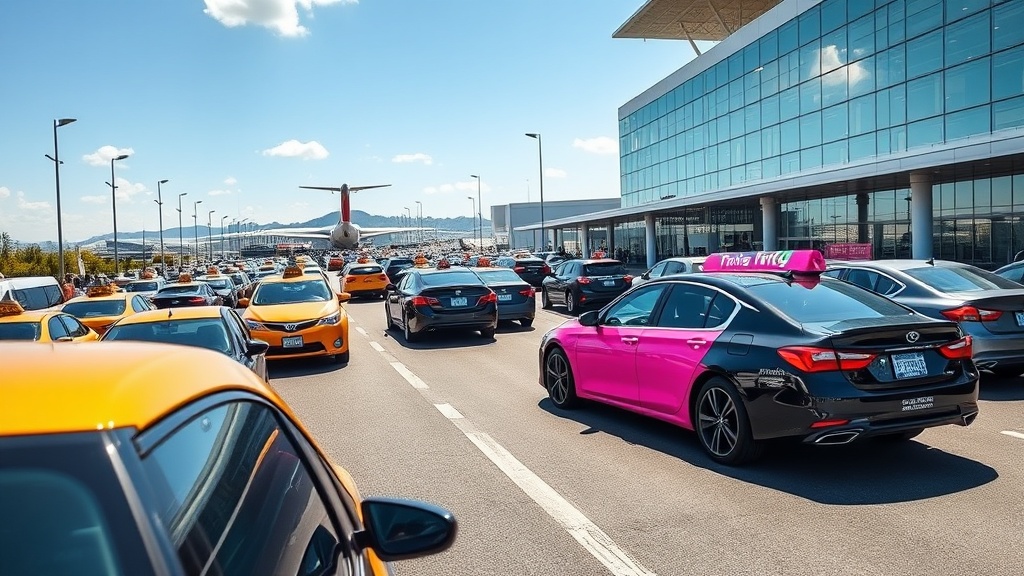
Uber vs Lyft: Which Rideshare App Wins for Airport Travel?

Choosing between Uber and Lyft can feel overwhelming, especially when you’re racing against the clock to catch a flight or need reliable transportation after landing. Both apps dominate the rideshare market, but they have distinct advantages depending on your specific travel needs.
This comprehensive guide breaks down the key differences between Uber and Lyft to help you make an informed decision for your next airport trip.
Understanding the Rideshare Landscape
Rideshare apps have revolutionized how we travel in cities. Instead of waiting for taxis or scheduling traditional car services, you can request a ride in seconds through your smartphone. Uber and Lyft are the two primary competitors, each with millions of active users across North America.
While both services operate on similar principles—connecting passengers with drivers through mobile apps—they differ significantly in execution, pricing structures, and service options.
Pricing: Which App Costs Less?
Base Fares and Surge Pricing
Uber and Lyft use dynamic pricing algorithms that adjust rates based on demand. During peak airport hours (early mornings and evenings), you’ll likely encounter surge pricing on both platforms.
Key differences:
-
Uber’s approach: Typically shows estimated fares upfront before you request a ride. Surge pricing multipliers are clearly displayed (e.g., 1.5x, 2x). UberX (their standard service) usually costs slightly less than Lyft’s equivalent.
-
Lyft’s strategy: Also displays upfront pricing but occasionally uses a different calculation method. Lyft’s “Power Zone” surge pricing can be more pronounced during peak times, but the platform has invested in driver satisfaction, which sometimes reduces surge frequency.
Pro tip: Check both apps before requesting an airport ride. Price differences can vary by $5-15 depending on time and demand. Always compare side-by-side to ensure you’re getting the best rate.
Service Level Options
Uber offers more service tiers:
- UberX: Budget-friendly option
- Uber Comfort: Mid-range with newer vehicles
- Uber XL: Larger vehicles for groups
- Uber Black: Premium luxury service
Lyft provides:
- Lyft: Standard service
- Lyft Plus: Larger vehicles
- Lyft Premier: Premium option
For airport trips, UberX and standard Lyft are most economical, while Uber Black and Lyft Premier suit business travelers seeking premium experiences.
Airport-Specific Features
Designated Pickup Zones
Most major airports now have designated rideshare pickup areas separate from taxi stands. Here’s what you need to know:
Uber advantages at airports:
- Clear, dedicated Uber pickup zones at nearly all major airports
- In-app navigation guides you to the correct location
- Real-time driver tracking shows exactly where your car is
- Usually 5-10 minute wait times during off-peak hours
Lyft advantages at airports:
- Similarly organized pickup zones
- Driver communication features help coordinate meeting points
- Often slightly friendlier interactions with drivers
Waiting Time Management
At airports, waiting time can be costly:
-
Uber: Implements strict pickup windows (typically 10 minutes). If you don’t arrive at the pickup zone within this window, the driver may cancel, and you’ll incur a cancellation fee.
-
Lyft: Offers slightly more flexibility with pickup windows, though this varies by airport. Communication through the app can extend pickup timeframes.
Smart strategy: Have your luggage ready, don’t request your ride until you’ve cleared baggage claim or security, and have your phone charged to receive driver notifications.
Reliability and Driver Quality
Driver Availability
Uber typically has higher driver availability during peak airport hours due to its larger driver base. In most cities, UberX is more readily available than Lyft, meaning shorter wait times.
Lyft has been improving driver recruitment and retention, particularly in major metropolitan areas. Some cities now show comparable availability between the two services.
Vehicle Conditions
Both platforms allow you to rate drivers and report issues. Overall quality varies by location:
- Uber: Wider range of vehicle conditions; some UberX vehicles are older, while Uber Comfort guarantees newer cars
- Lyft: Generally maintains good vehicle standards, though reports vary by city
Recommendation: Read recent reviews for both services in your specific airport’s area. Rating systems (1-5 stars) give accurate pictures of what to expect.
Safety Considerations
Both apps prioritize passenger safety through:
- Driver background checks
- Real-time trip sharing with contacts
- In-app emergency buttons
- Driver rating systems
- License plate verification
Safety edge: Uber’s larger user base and longer operational history have resulted in more refined safety protocols. Lyft has invested heavily in matching these standards.
Regardless of choice, always verify the driver’s name, vehicle make/model, and license plate match your app before entering the vehicle.
Special Circumstances at Airports
International Arrivals
When landing in a foreign city, both apps work the same way, but:
- Enable airplane mode during the flight, then disable it to use WiFi for the app
- Have your payment method verified before arrival
- Download offline maps in case you lose signal
Multiple Passengers
Traveling with friends or family?
- Uber XL or Lyft Plus accommodate 4-6 passengers with luggage
- Prices are often lower per person than requesting multiple standard rides
- Book 15-20 minutes before you need pickup to ensure availability
Shared Rides (Uber Pool / Lyft Shared)
Budget travelers should know:
- Uber Pool: Not always available at airports; cost savings are 15-30% but with multiple stops
- Lyft Shared: Similar pricing model; better for short airport-to-hotel trips
Note: Avoid shared options if you have tight flight connections or heavy luggage.
City Travel Tips Beyond Airport Trips
Peak Hours and Off-Peak Strategy
To maximize savings throughout your trip:
- Request rides between 10 AM-3 PM when surge pricing is lowest
- Avoid evenings (5-7 PM) and weekend nights
- Use shared options for predictable routes when you’re not rushing
Loyalty Programs
Uber Rewards: Earn points on all rides, redeemable for discounts or account credit. Premium tier members get priority driver matching.
Lyft: Offers Level Up rewards program with points-based incentives. Frequent travelers can unlock faster pickup times and occasional discounts.
Tipping Culture
Both apps have in-app tipping features:
- Default suggestions are 15%, 18%, 20%
- Airport pickups: 15-20% is standard for airport service
- Consider tipping immediately after the ride before you forget
Final Verdict: Which Should You Choose?
Choose Uber if you:
- Prioritize driver availability and short wait times
- Want more service level options
- Value consistent, predictable pricing
- Travel frequently to the same city
Choose Lyft if you:
- Prefer driver friendliness and personal interaction
- Want slightly more flexible pickup arrangements
- Appreciate community-focused company values
- Live in areas where Lyft has strong driver presence
The Real Answer
Honestly? Download both apps. Check prices before each trip, compare wait times, and choose based on current conditions. Both services are reliable for airport transportation, and the $2-5 difference between them is often offset by superior service on any given day.
For airport trips specifically, Uber edges ahead slightly due to superior driver availability and clearer airport protocols, but Lyft remains an excellent alternative that often offers comparable or better experiences.
Pro Tips for Your Next Airport Trip
- Request your ride only after clearing baggage claim to avoid the 10-minute pickup window issue
- Enable WiFi calling through your phone’s settings for reliable communication with drivers
- Check ratings for both available drivers before confirming
- Share your trip with a friend or family member through the in-app feature
- Save your airport’s designated rideshare location as a favorite in both apps
- Set a 5-star rating reminder to ensure you rate drivers—this data helps future travelers
With these insights and strategies, you’ll navigate airport transportation confidently, whether you’re departing or arriving.