
Uber vs Lyft: Which Rideshare App Wins for Airport Trips?
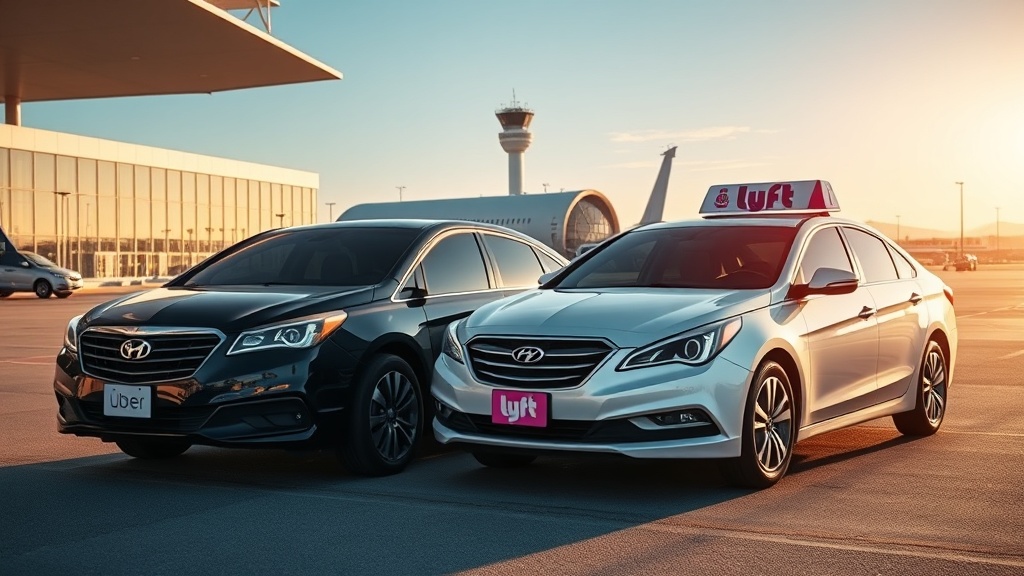
Uber vs Lyft: Which Rideshare App Wins for Airport Trips?

Choosing between rideshare apps can be overwhelming, especially when you’re heading to or from the airport. Both Uber and Lyft dominate the market, but they each have distinct advantages depending on your situation, location, and travel needs. This comprehensive guide breaks down everything you need to know to make the smartest choice for your next airport trip.
Understanding the Rideshare Landscape
Rideshare apps have revolutionized airport transportation over the past decade. Gone are the days when travelers had limited options beyond traditional taxis and expensive car services. Today, millions of people rely on Uber and Lyft for convenient, often cost-effective rides to and from airports worldwide.
However, “convenient” doesn’t mean these services are always identical. The differences matter—especially when you’re traveling with luggage, catching an early flight, or visiting an unfamiliar city.
Pricing: Where Your Money Goes
Uber’s Pricing Structure
Uber typically charges per mile and per minute, with surge pricing kicking in during peak demand. At airports specifically, Uber has implemented upfront pricing in most locations, meaning you know your fare before requesting the ride. This transparency is valuable.
Airport-specific considerations:
- Uber charges airport fees in some cities (typically $2-$5 extra)
- Surge pricing can double or triple rates during peak hours
- UberX is usually the most affordable option
- Uber Pool (where available) offers further savings by sharing rides
Lyft’s Pricing Approach
Lyft uses a similar base fare plus distance and time model. Like Uber, Lyft shows upfront pricing for airport rides in most markets, which is essential for budget planning.
What affects Lyft pricing:
- Slightly different surge multipliers than Uber (sometimes more favorable)
- Airport pickup fees vary by location
- Lyft’s Shared rides option provides budget-conscious alternatives
- Loyalty rewards through Lyft Pink membership
Pro tip: Check both apps simultaneously before booking. Prices fluctuate constantly, and one app might be significantly cheaper in that exact moment. The difference can easily be $5-$15 for the same route.
Service Reliability and Availability
Which App Has Better Airport Coverage?
Uber operates in more cities worldwide (70+ countries), making it the go-to choice for international travelers. If you’re traveling to a less common destination, Uber likely has service there.
Lyft operates primarily in North America but maintains strong presence in major U.S. airports. If you’re traveling domestically, both apps are equally reliable in most cases.
Pickup Location and Wait Times
Airports have designated rideshare pickup zones that differ by terminal and airline. Here’s what matters:
Uber advantages:
- Usually has dedicated pickup areas at major airports
- App shows exactly which pickup zone to use
- Generally faster matching with drivers
- More drivers typically available simultaneously
Lyft advantages:
- Pickup instructions are typically clear and specific
- Consistent driver pool in major markets
- Less congestion at some regional airports
Action item: Before your trip, check your airport’s website for rideshare pickup locations. Many airports have changed their procedures post-pandemic, and knowing where to stand saves 10+ minutes.
Safety Features and Driver Quality
Both apps implement rigorous driver screening and safety features. Here’s how they compare:
Uber’s Safety Offerings
- Uber Safety Toolkit includes 24/7 emergency support
- Driver ratings visible to passengers
- Share trip details with emergency contacts
- Enhanced background checks
- Incident reporting system
Lyft’s Safety Features
- Guaranteed 5-star driver quality guarantee
- Detailed driver profiles with photos
- Share ride details with emergency contacts
- Continuous monitoring and driver education
- Community guidelines enforcement
Reality check: Both apps screen drivers thoroughly. Your safety depends more on common-sense practices like verifying the driver’s name and vehicle before entering, and monitoring your route.
Special Airport Situations
Traveling With Luggage or Groups
UberX handles luggage fine for standard trips. However, if you’re traveling with multiple suitcases or a group, consider:
- UberXL or Lyft Plus: Larger vehicles that accommodate 5+ passengers and luggage
- Pricing difference: Expect to pay 1.5-2x the standard rate
- Recommendation: Book XL options 15-20 minutes before you need the ride to ensure availability
Early Morning or Late Night Flights
Airport transportation needs peak during:
- 4-7 AM (early morning departures)
- 10 PM-midnight (late night arrivals)
During these times, surge pricing hits hard. Both Uber and Lyft can see 2-3x multipliers. Strategy: If possible, schedule your rideshare to arrive at the airport 2-3 hours early and book 10-15 minutes before you’re ready. This captures the price before peak surge.
City-Specific Travel Tips
Major Hub Airports
At airports like LAX, JFK, ORD, and DFW:
- Both apps handle volume well
- Arrive at designated rideshare pickup areas early
- Check the app for long pickup lines and wait accordingly
- Expect 10-15 minute waits during peak hours
Regional Airports
Smaller airports often have:
- Fewer available drivers
- Longer wait times (especially early morning/late night)
- Potentially higher surge pricing
- Recommendation: Book your rideshare while still in the airport terminal, or arrange transportation 30+ minutes before you need it
Downtown and City Centers
Once you’ve landed and need to navigate the city:
- Lyft often outperforms Uber in busy downtown areas (less surge pricing)
- Both apps are extremely reliable for standard city trips
- Rush hour (4-7 PM) sees significant surge pricing
- Tip: Use rideshare for short hops; public transit is often faster and cheaper for longer distances
Making Your Final Decision
Choose Uber If:
- You’re traveling internationally
- You prefer maximum driver availability
- You value extensive driver history and ratings visibility
- You want predictable, transparent pricing
- You’re traveling to less common destinations
Choose Lyft If:
- You’re traveling domestically within the U.S.
- You prioritize community values and driver support
- You have a Lyft Pink membership for perks and rewards
- You’re in a market where Lyft frequently undercuts Uber prices
- You prefer a slightly more personalized experience
Pro Tips for Smart Airport Ridesharing
1. Enable surge price notifications. Both apps let you set price alerts. When surge drops, you get notified.
2. Book during off-peak times. If you have flexibility, avoid 4-7 PM and early morning hours when surge pricing is highest.
3. Combine apps strategically. Open both apps simultaneously to compare prices before committing. The $5-$10 difference adds up across multiple trips.
4. Communicate clearly with drivers. Let them know you’re at the airport with luggage. Good drivers appreciate this heads-up.
5. Check your destination carefully. Double-check the address before confirming the ride. Many airport delays occur because riders enter wrong hotel or home addresses.
6. Plan your pickup location. Know your airport’s rideshare zone. Time spent wandering looking for your driver gets expensive.
The Verdict
There’s no absolute winner in the Uber vs. Lyft debate. Your best choice depends on your specific situation: location, time of travel, group size, and personal preferences. The smartest travelers use both apps, compare prices in real-time, and choose accordingly.
For airport transportation specifically, the most important factor isn’t which app you choose—it’s planning ahead, avoiding peak surge times, and using the apps strategically. Whether you’re a frequent flyer or occasional traveler, these insights will save you money and frustration on your next airport trip.
Start comparing both apps for your next journey. You might be surprised which one offers the better value.