
Uber vs Lyft Airport Reliability: Which App Actually Shows Up When It Matters?
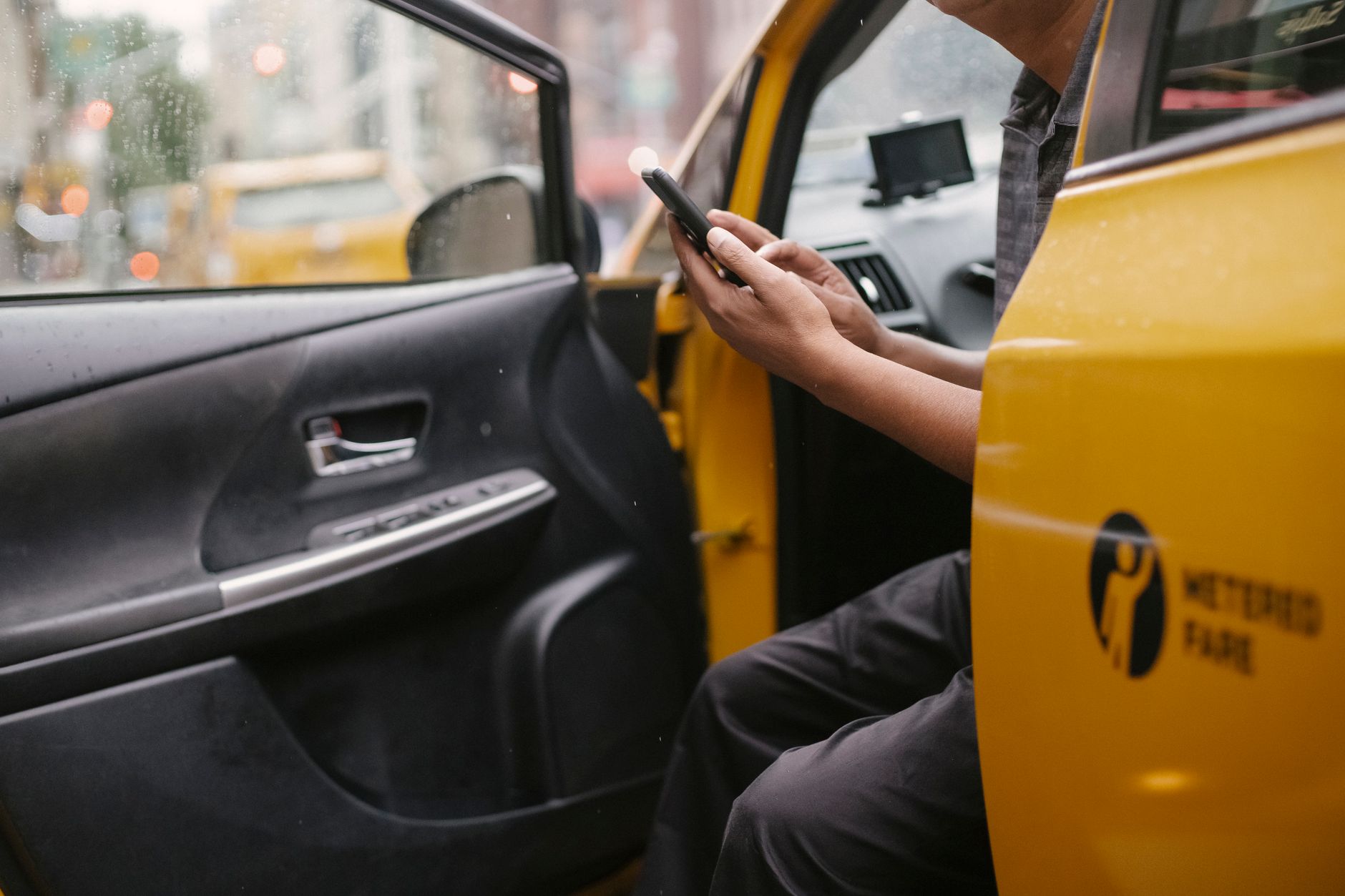
You just landed after a five-hour flight. You’re exhausted, your phone is at 12%, and you need a ride home. You open your rideshare app, request a pickup, and watch the dreaded “searching for driver” animation spin for what feels like forever. Sound familiar?
With holiday travel season ramping up and airports reporting record passenger volumes heading into late 2026, the uber vs lyft airport reliability debate has never been more relevant. Both companies have made big promises about improving airport pickups this year, but the on-the-ground experience tells a more nuanced story.
This guide cuts through the marketing and gives you a practical, data-informed look at which app actually delivers when you’re standing at the curb with your luggage.
Why Airport Reliability Is a Different Beast
Getting a rideshare at the airport isn’t like hailing one from your neighborhood. Several factors make airport pickups uniquely unpredictable:
- Geofenced staging lots: Drivers at most major airports must wait in a designated queue lot before they’re matched with a rider. This means the number of available drivers depends entirely on how many chose to sit in that lot.
- Surge pricing disincentives: When surge pricing kicks in, some drivers actually log off and wait for it to drop, paradoxically reducing supply during peak demand.
- Terminal restrictions: Airports like LAX, JFK, and O’Hare have strict pickup zone rules that add friction and time to every match.
- Flight arrival clustering: When three international flights land within 20 minutes of each other, demand spikes instantly, and the driver pool can’t always keep up.
Understanding these dynamics matters because Uber and Lyft handle them differently, and those differences directly affect how long you wait and whether your driver cancels.
Uber vs Lyft Airport Reliability: What the Numbers Show
Let’s get into the specifics. Based on aggregated traveler reports, app store reviews from 2026, and publicly available data, here’s how the two platforms compare on the metrics that matter most at airports.
Driver Availability and Wait Times
Uber maintains a larger overall driver network, and that advantage is most visible at airports. At major hubs like Atlanta (ATL), Denver (DEN), and Dallas-Fort Worth (DFW), Uber riders report average wait times of 4 to 8 minutes during standard hours. Lyft riders at the same airports typically see waits of 6 to 12 minutes.
However, the gap narrows significantly at secondary airports. In cities like Austin, Nashville, and Portland, Lyft’s driver supply has improved considerably in 2026, and wait times are often within a minute or two of Uber’s.
Where Uber wins: Large international hubs, late-night arrivals (11 PM to 5 AM), and cities with high driver density. Where Lyft holds its own: Mid-size airports, weekend daytime pickups, and markets where Lyft has invested in driver incentives.
Cancellation Rates
This is where reliability gets personal. A canceled ride at the airport doesn’t just waste time; it sends you back to the end of the queue.
Industry estimates suggest Uber’s airport cancellation rate hovers around 8 to 12 percent, while Lyft’s tends to run slightly higher at 10 to 15 percent. The difference isn’t massive, but it compounds when you’re in a hurry.
One important nuance: Lyft drivers cancel more often on short trips from the airport to nearby hotels or suburbs. Uber drivers, benefiting from the app’s more detailed upfront trip information, cancel slightly less on these routes because they can see the destination before accepting.
Scheduled Rides: A Reliability Wildcard
Both apps let you schedule airport pickups in advance, but the execution differs. Uber Reserve guarantees a driver will be assigned and offers a $50 credit if your ride doesn’t show up. Lyft’s scheduled rides don’t carry the same guarantee, though the company has been testing a similar assurance program in select markets throughout 2026.
For early-morning departures (that 5 AM ride to catch a 7 AM flight), Uber Reserve has a measurable edge in consistency. Multiple traveler surveys this year show Uber scheduled rides arriving on time roughly 92 percent of the time versus Lyft’s 85 percent.
The Airport-Specific Features That Actually Matter
Beyond raw numbers, each app offers features designed to reduce airport friction. Here’s what’s worth paying attention to.
Uber’s Airport Advantages
- PIN-based pickup at select airports: At LAX and a growing list of other airports, Uber gives you a PIN to share with your driver, cutting down the “where are you?” phone tag that plagues crowded pickup zones.
- Uber Reserve with flight tracking: Link your flight, and Uber adjusts your pickup time automatically if you’re delayed. This is genuinely useful and works well in practice.
- More vehicle options: At most airports, Uber offers everything from UberX to Uber Black to UberXL, giving you flexibility based on luggage and group size.
Lyft’s Airport Advantages
- Lyft Preferred pickup zones: At certain airports, Lyft has negotiated dedicated pickup areas that are less congested than the shared rideshare zones. This can save 5 to 10 minutes at busy terminals.
- Price Lock on scheduled rides: Lyft guarantees your quoted price on scheduled airport rides, even if demand spikes. Uber Reserve pricing can fluctuate.
- Wait and Save: If you’re not in a rush, Lyft’s Wait and Save option at airports can cut your fare by 15 to 25 percent in exchange for a slightly longer wait.
Five Practical Tips to Maximize Reliability Regardless of App
The best strategy isn’t picking one app and hoping for the best. It’s using both intelligently.
- Check both apps before requesting: Open Uber and Lyft simultaneously. Compare wait times and prices. The difference is often significant, and it takes 30 seconds.
- Schedule the night before for early flights: If your flight leaves before 8 AM, schedule your ride the evening prior. Both apps perform better with advance notice.
- Walk to a less congested pickup point: At airports with multiple terminals, walking one terminal over can dramatically reduce your wait. Terminal 1 might have 20 drivers queued while Terminal 3 has 3.
- Avoid the 30 minutes after major flight banks: Check the airport’s arrivals board. If five wide-body jets just landed, wait 20 minutes before requesting. You’ll avoid the worst surge and the longest waits.
- Have a backup plan: Know the airport’s taxi line location, shuttle options, and public transit routes. If both apps show 15+ minute waits with surge pricing, a taxi might be faster and cheaper.
The Verdict on Uber vs Lyft Airport Reliability
After weighing driver availability, cancellation rates, scheduling features, and real traveler experiences, Uber edges out Lyft on overall airport reliability in 2026. The larger driver network, better scheduled ride guarantees, and features like PIN pickup and flight tracking give it a consistent advantage, especially at major hubs and during off-peak hours.
That said, Lyft is closer than it’s ever been, and in many mid-size markets, the experience is essentially identical. The smartest move? Keep both apps on your phone and compare in real time. Uber vs Lyft airport reliability isn’t a permanent verdict; it shifts by city, time of day, and even terminal.
Your next airport pickup doesn’t have to be a gamble. A little preparation and a willingness to check both apps will get you from the curb to your destination faster, cheaper, and with far less stress.