
Uber vs Lyft Airport Pickup: The 2026 Terminal Strategy Guide
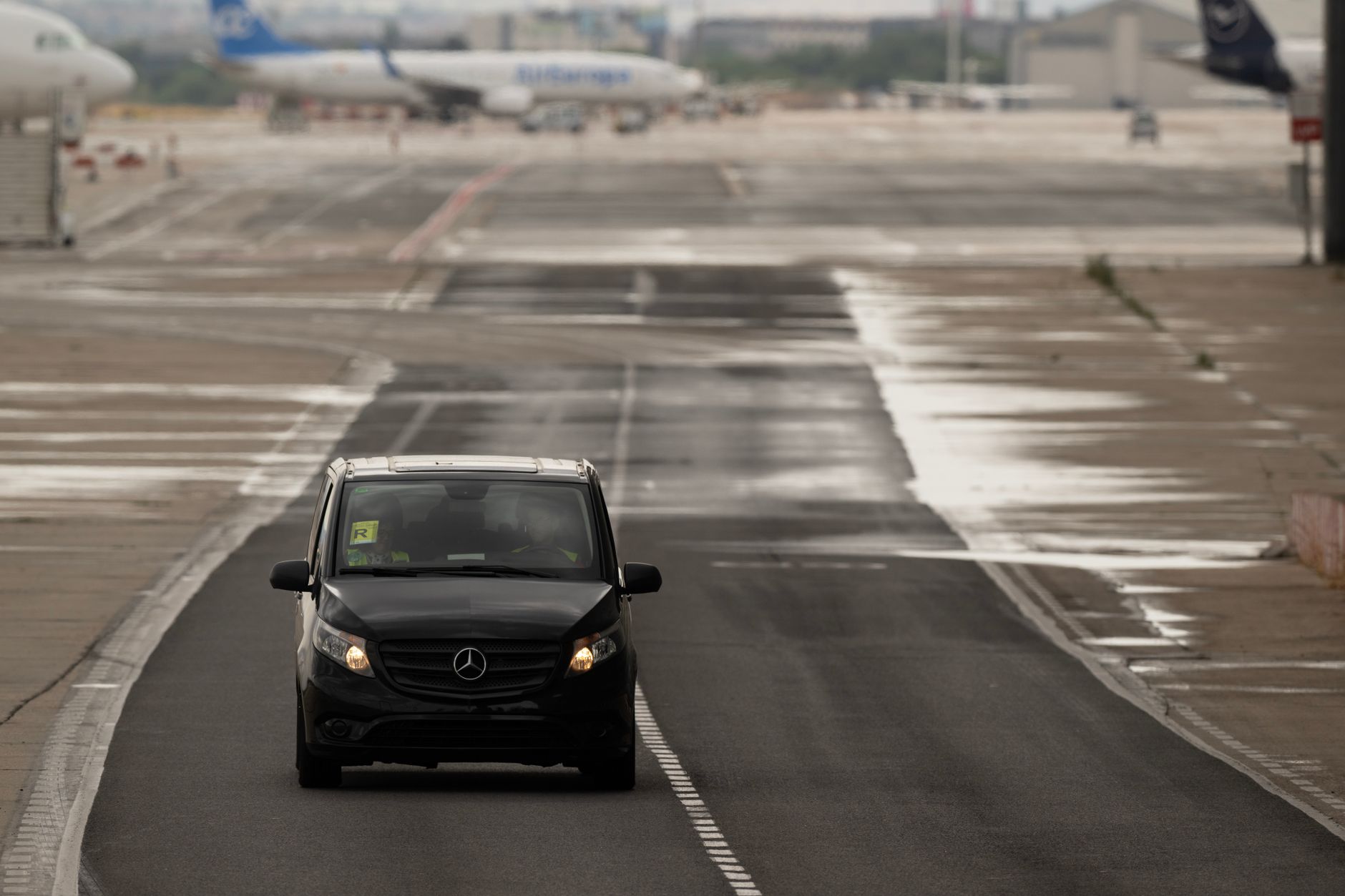
Holiday travel season is here, and if you’ve flown anywhere recently, you already know the drill: you deplane, open your rideshare app, and stare at a map that looks like a traffic jam had a baby with a scavenger hunt. Airport pickup zones in 2026 are more congested than ever — several major hubs, including LAX and Chicago O’Hare, have expanded their rideshare staging areas this year, and both Uber and Lyft have rolled out new PIN-based pickup systems at over a dozen airports to cut down on curbside chaos. So the question of Uber vs Lyft airport pickup isn’t just about price anymore. It’s about which app actually gets you from baggage claim to your front door with the least friction.
This guide breaks down the real differences — pickup logistics, pricing behavior, wait times, and the little-known features that can save you 15 minutes and $20 on your next trip.
How Airport Pickup Zones Actually Work in 2026
Before comparing the two apps, it helps to understand what you’re dealing with. Most major U.S. airports now funnel all rideshare pickups into designated zones — sometimes a specific garage level, sometimes a remote lot you reach by shuttle or moving walkway.
Here’s the thing most travelers miss: Uber and Lyft often share the same physical pickup zone, but the experience of getting matched and finding your driver can differ significantly.
At airports using the newer PIN system (Uber calls it “PIN Match,” Lyft has a similar “Fast Match” feature), you request a ride, receive a code, walk to the pickup area, and hand that code to the first available driver. No more wandering around looking for a specific license plate. As of late 2026, this system is live at airports including LAX, SFO, DEN, ATL, and MIA.
The catch? These systems work best when driver supply is high. During peak arrival windows — think Sunday evenings or the Friday before Thanksgiving — the PIN queue can back up, and that’s where the differences between Uber and Lyft start to matter.
Uber vs Lyft Airport Pickup: Price and Surge Behavior
Let’s talk money. Both apps use dynamic pricing at airports, but they don’t surge in lockstep. This is actually good news for you.
What we’ve observed across major airports in 2026:
- Uber tends to surge harder during peak arrival banks (when multiple flights land within 30 minutes). Its algorithm reacts quickly to demand spikes, and you’ll sometimes see prices jump 40-60% within minutes of a big international arrival.
- Lyft’s surge pricing is often slower to kick in but can stay elevated longer once it does. Lyft also tends to offer more aggressive in-app discounts at airports where it’s trying to gain market share — we’ve seen consistent 10-25% “ride pass” offers at SEA, AUS, and BNA this year.
Practical tip: Open both apps the moment you hit the jet bridge. Compare prices side by side before you even reach baggage claim. The price gap between the two can be $8-$15 on the same route, and it flips depending on the airport and time of day.
One more thing: both apps add an airport surcharge (typically $3-$6 depending on the airport) that goes to the airport authority, not the driver. This fee is identical on both platforms, so it shouldn’t factor into your comparison.
Wait Times and Driver Availability
Price matters, but not if you’re standing on a curb for 25 minutes. Here’s where the Uber vs Lyft airport pickup comparison gets interesting.
Uber has a larger driver network in most U.S. cities, which generally translates to shorter match times at airports. At high-volume hubs like ATL, DFW, and ORD, Uber’s average pickup wait hovers around 4-7 minutes during normal hours. During off-peak times, it can be under 3 minutes.
Lyft has closed the gap considerably in 2026, partly thanks to its expanded airport partnerships. At mid-size airports — think PDX, SLC, RDU — Lyft’s wait times are now comparable to Uber’s, sometimes faster. Lyft has also invested in better driver positioning at airports, using predictive staging to send drivers to the lot before demand spikes.
Where Lyft still struggles: smaller regional airports and late-night arrivals. If your flight lands after 11 PM at a smaller airport, Uber is more likely to have drivers nearby. Lyft’s coverage thins out noticeably in those windows.
Where Uber still struggles: driver cancellations. Uber drivers at airports cancel at slightly higher rates, often because they’re juggling multiple apps and take whichever ride looks most profitable. Lyft’s driver queue system at airports tends to be more structured, which reduces last-minute cancellations.
The Features That Actually Matter at the Airport
Both apps have features designed specifically for airport pickups, but they’re not equally useful.
Uber’s standout airport features:
- PIN Match at 15+ airports — genuinely faster when it works
- Uber Reserve lets you schedule an airport pickup up to 90 days in advance, locking in a price
- Uber Comfort and XL are more widely available at airports, which matters if you’re traveling with luggage or a group
Lyft’s standout airport features:
- Fast Match (Lyft’s PIN equivalent) — works well but available at fewer airports
- Lyft’s “Wait & Save” option lets you accept a longer wait in exchange for a lower fare — sometimes 15-20% cheaper if you’re not in a rush
- Scheduled pickups with a driver-assigned window, though reliability varies by market
The underrated move: If your airport offers it, use the PIN/Fast Match system on both apps simultaneously. Request on Uber, note the wait estimate, then check Lyft. Cancel whichever one is slower (within the free cancellation window, usually 2 minutes). It takes 30 seconds and can save you serious time.
Which App Should You Use? A Decision Framework
There’s no universal winner, but here’s a quick framework based on your situation:
Choose Uber if:
- You’re at a major hub during peak hours and want the fastest match
- You need an XL or premium vehicle for luggage or group travel
- You’re landing late at night at a smaller airport
- You want to schedule a pickup in advance with price lock
Choose Lyft if:
- You’re flexible on time and want to use “Wait & Save” for a cheaper fare
- You’re at a mid-size airport where Lyft has been investing in coverage
- You have a Lyft promo or ride pass discount active
- You want to minimize the chance of a driver cancellation
Use both if:
- You’re at any airport during a surge window — the price difference can be significant
- You’re traveling during a holiday weekend and want a backup option ready
Final Thoughts
The Uber vs Lyft airport pickup debate doesn’t have a single answer, and honestly, that’s a good thing. Competition between the two platforms keeps prices in check and pushes both companies to improve the airport experience. The savviest travelers in 2026 aren’t loyal to one app — they’re loyal to whichever one is faster and cheaper right now.
Download both apps, keep your payment info updated on each, and get in the habit of comparing before you confirm. It takes less time than scrolling through your flight’s group chat, and it could save you enough for an airport coffee — which, let’s be honest, you’ll need after navigating that pickup zone.