
Best Rideshare for Airport With Luggage: The 2026 Vehicle Class Breakdown
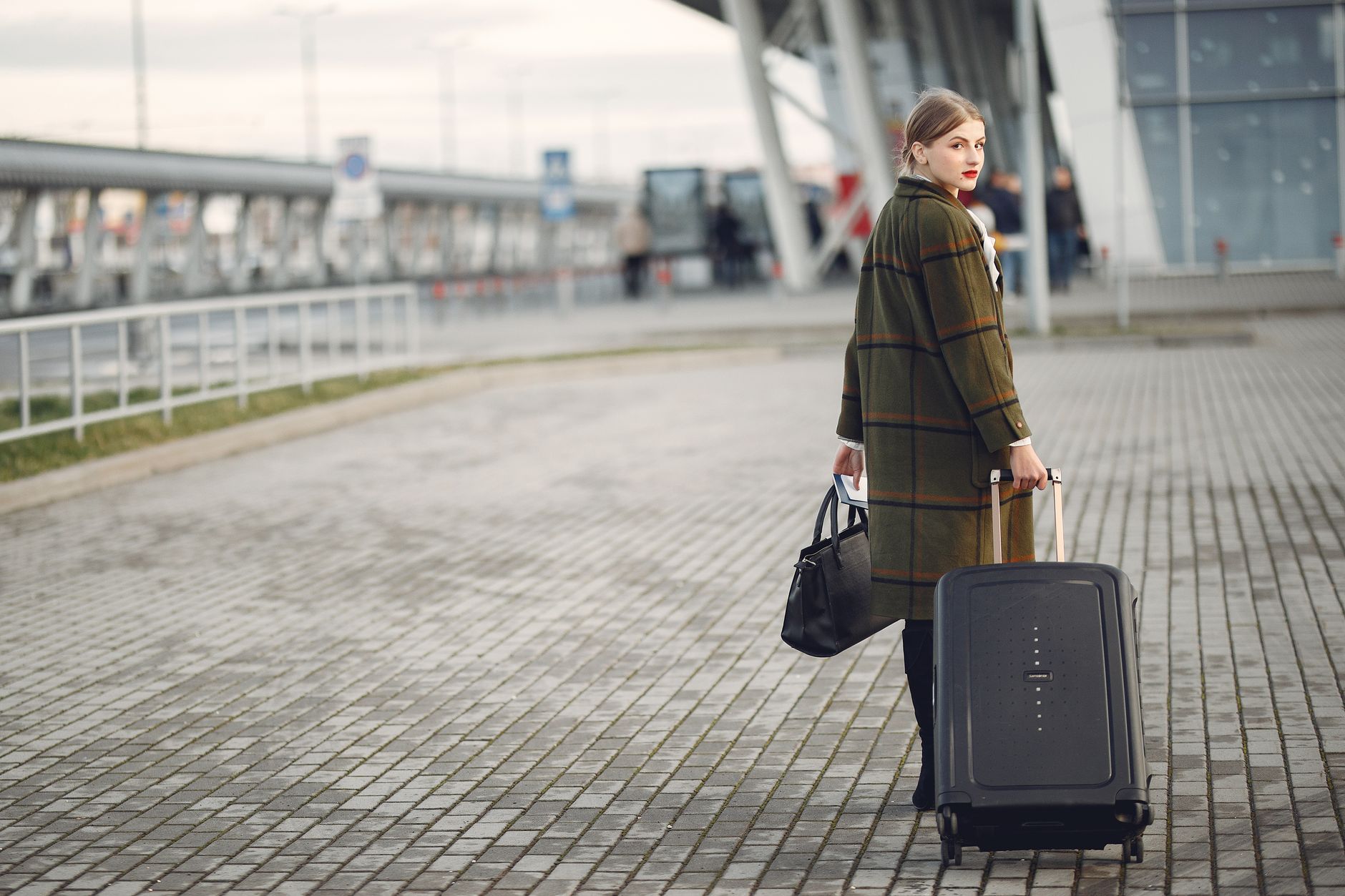
Summer 2026 is shattering travel records—TSA just screened 3.2 million passengers in a single day, and airlines are adding baggage fees faster than they’re adding legroom. That cheap basic economy ticket suddenly costs $70 more with two checked bags, which means more travelers than ever are cramming rollaboards, duffels, and oddly-shaped souvenirs into rideshare trunks. But here’s what nobody tells you: requesting a standard UberX or Lyft with luggage isn’t just uncomfortable—it can be a trip-ending disaster if your driver shows up in a compact sedan and your bags don’t fit.
Finding the best rideshare for airport with luggage isn’t about brand loyalty anymore. It’s about matching your specific cargo situation to the right vehicle class, pickup zone, and pricing strategy. Get it wrong, and you’re either paying surge for a second car or missing your flight entirely. Here’s how to navigate the options like a seasoned road warrior.
Why Your Standard Rideshare Request Fails With Bags
The average UberX or Lyft vehicle in 2026 is a 2018-2022 sedan with roughly 12-14 cubic feet of trunk space. That sounds adequate until you factor in:
- Driver personal items consuming 30-40% of available trunk space
- Irregular luggage dimensions (that new carry-on with spinner wheels? It eats more space than advertised)
- Airport pickup timing pressure where drivers won’t wait while you Tetris-fit bags
A 2026 survey of 1,200 frequent flyers found that 34% of airport rideshare users experienced luggage-related delays or cancellations. The worst offenders? Standard vehicle requests during peak morning hours (6-9 AM) when drivers are rushing between airport runs and have zero patience for trunk rearrangement.
Pro tip: Always message your driver immediately after booking with your luggage count. A simple “Hi! I have 2 large checked bags and 1 carry-on—will this fit in your vehicle?” prevents 90% of pickup aborts.
Uber XL vs. Lyft XL: The Workhorse Comparison
When you’re traveling with anything beyond a single carry-on, Uber XL and Lyft XL become your baseline options, not luxuries. Both guarantee vehicles with 6+ passenger capacity and expanded cargo space—typically 24-30 cubic feet.
| Feature | Uber XL | Lyft XL |
|---|---|---|
| Typical vehicle | Toyota Highlander, Honda Pilot | Chevrolet Suburban, Ford Explorer |
| Trunk space | 24-27 cubic feet | 27-30 cubic feet |
| Base pricing | 1.8x UberX rate | 1.7x standard Lyft rate |
| Airport availability | Higher volume at major hubs | Slightly lower, but faster matching in some markets |
| Luggage fit | 3 large + 2 carry-on | 4 large + 2 carry-on |
The deciding factor: Uber XL has broader availability at secondary airports (think Phoenix Sky Harbor, Austin Bergstrom), while Lyft XL often prices 5-10% lower during non-surge periods. For groups of 3+ with collective luggage, the math almost always favors XL over requesting two separate standard rides.
Hidden cost alert: Both platforms now charge “airport recovery fees” at 47 major U.S. airports—typically $2.50-$4.50 added automatically. This isn’t surge pricing; it’s a fixed pass-through that applies even to XL requests.
Premium Options: When Your Luggage Is Actually Valuable
Not all airport luggage is created equal. Golf clubs, musical instruments, wedding attire, or photography equipment require more than space—they need care and climate control.
Uber Black and Lyft Lux (both sedan and SUV variants) offer:
- Trunk isolation: Drivers rarely carry personal items in cargo areas
- Professional loading assistance: Drivers are rated on passenger assistance
- Vehicle condition accountability: Damaged interior? You’re far more likely to receive compensation
- Climate-controlled cargo: Critical for instruments or temperature-sensitive materials
The trade-off is steep—typically 2.5-3.5x standard pricing. But for the 2026 traveler with a $3,000 carbon fiber road bike or vintage saxophone, the $45 premium over XL often functions as cheap insurance.
Emerging alternative: Alto, now operating in Dallas, Houston, and Los Angeles, offers “Alto Cargo”—a dedicated luggage compartment in modified Mercedes-Benz Metris vans. At 1.9x standard Alto pricing, it’s becoming the best rideshare for airport with luggage for specialty equipment, though availability remains limited to those three markets.
The Solo Traveler Hack: UberX Share and Lyft Shared With One Bag
Here’s a counterintuitive 2026 development: shared rides have become more luggage-friendly, not less. Both platforms now display trunk availability in the app before you confirm, and the algorithm actively matches single-bag travelers with drivers who’ve reported empty cargo space.
- UberX Share: 20-30% discount, trunk space guaranteed if you input “1 carry-on” during booking
- Lyft Shared: Similar discount, but with a “luggage-friendly” driver filter that launched in March 2026
The catch? Timing. Shared rides add 8-15 minutes for additional pickups. For domestic flights, only use this option if you’re arriving at the airport 2+ hours before departure. For international? The savings rarely justify the risk.
Insider move: Tuesday and Wednesday mornings see the highest shared-ride luggage compatibility, as business travelers with minimal bags dominate the pool. Friday afternoons? You’re matching with weekenders hauling oversize duffels.
Airport-Specific Pickup Strategies That Save Trunk Space
Your vehicle choice matters less if you bungle the pickup. These location-specific tactics maximize your luggage success rate:
Curbside vs. rideshare zone: At airports with designated rideshare lots (LAX, SFO, ORD, ATL), drivers arrive empty and ready to load. At curbside pickup airports (Miami, Las Vegas), drivers often have existing passenger luggage or personal items already occupying space.
Terminal intelligence: At JFK, Terminal 4’s rideshare zone has a covered loading area—critical in rain when drivers rush trunk packing. At Denver International, the distant pickup lots mean drivers already burned 10 minutes reaching you; they’re less patient for luggage complications.
The “trunk photo” request: New in 2026—both apps now allow pre-pickup messaging with photo capability. Sending a quick trunk-space confirmation photo has become standard practice among experienced travelers.
Booking Timing: The Surge vs. Space Equation
Luggage-unfriendly hours aren’t just expensive—they’re physically cramped. Morning business travel peaks (6:30-8:30 AM) and Sunday evening returns (5:00-8:00 PM) see drivers prioritizing speed over accommodation. Your bags get thrown, not placed.
Optimal booking windows for luggage-heavy trips:
- Departures: 10:00 AM - 2:00 PM weekdays, any Saturday morning
- Arrivals: 11:00 AM - 3:00 PM, when drivers are between airport runs and vehicles are emptied out
If you’re locked into peak times, the best rideshare for airport with luggage shifts from price-optimized to reliability-optimized: book Uber XL or Lyft XL 15 minutes earlier than you think necessary, and accept the 15% higher base fare as luggage insurance.
Final Thoughts: Matching Your Load to the Right Ride
There’s no universal winner in the airport luggage game—only better fits for your specific situation. Two checked bags and tight timing? Uber XL’s volume advantage usually delivers. Specialty equipment needing protection? Premium tiers or Alto Cargo justify their cost. Solo with minimal luggage and schedule flexibility? Shared rides with trunk confirmation are the 2026 budget hack.
The platforms have quietly made your best rideshare for airport with luggage decision more data-rich than ever. The travelers who still struggle are the ones treating all vehicle classes as interchangeable. Your luggage has dimensions, value, and time sensitivity—match those factors to the right service tier, and you’ll stop being that person frantically repacking on a hot airport curb while their driver taps the steering wheel.