
Airport Rideshare Tipping Etiquette How Much: The 2026 Guide for Stress-Free Departures
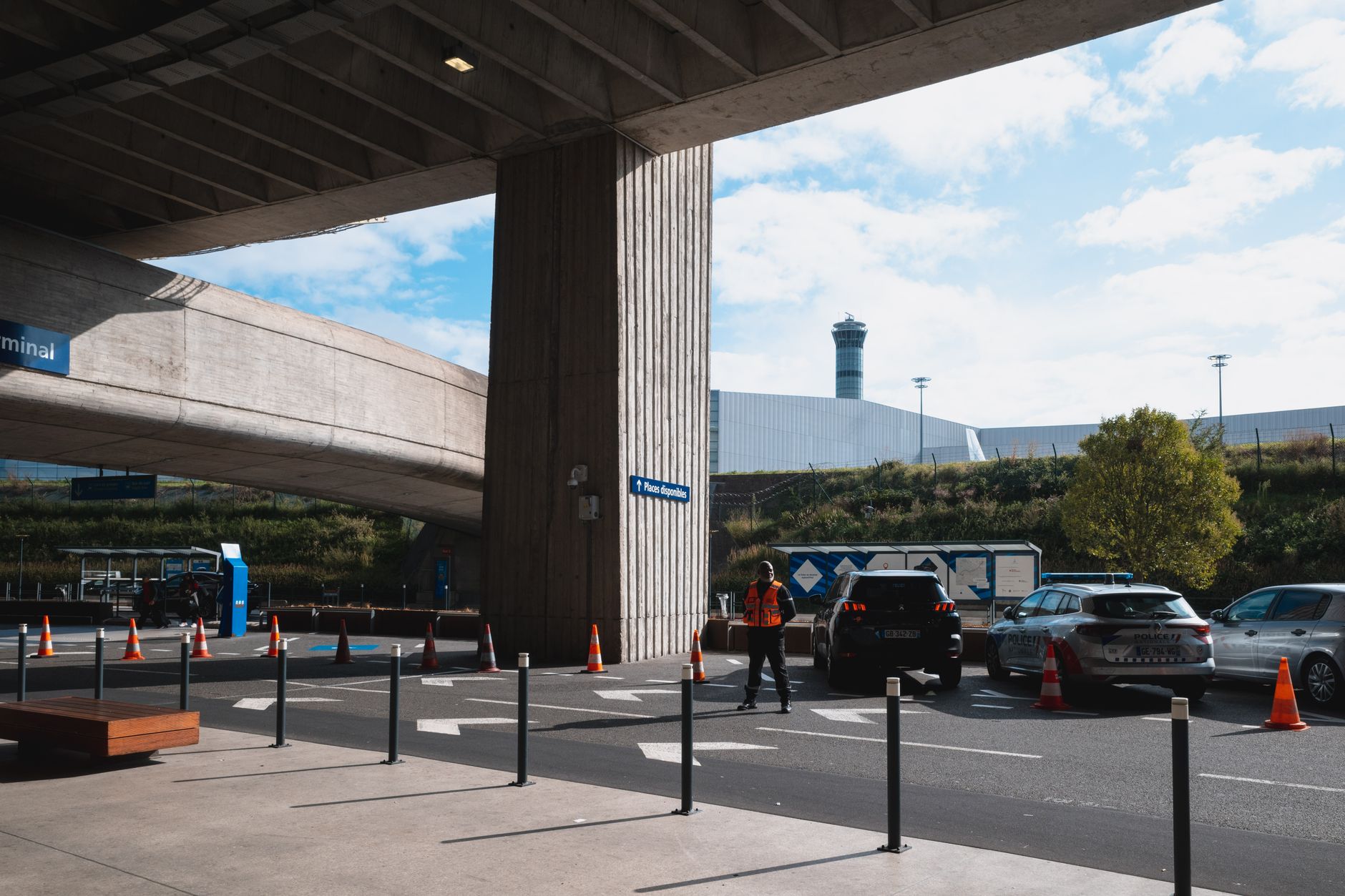
You’ve finally cleared TSA, your flight boards in 45 minutes, and your Uber is circling the pickup zone for the third time. It’s August 2026—peak summer travel season—and airports from Atlanta to LAX are breaking passenger records while rideshare companies experiment with “priority pickup” tiers that promise faster service for an extra fee. But here’s what most travelers still fumble: when your driver actually shows up, sweaty from navigating construction zones and terminal traffic, what’s the right move on the tip screen?
Airport rideshare tipping etiquette how much to give isn’t just about being nice—it’s about understanding an increasingly complicated gig economy where drivers are absorbing more costs than ever. With fuel prices volatile and airport-specific fees eating into driver pay in 2026, your tip can make or break whether that pickup was worth someone’s hour. Let’s cut through the confusion and get you exact numbers that work in the real world.
Why Airport Rides Are Different (And Why Your Tip Should Reflect That)
Airport pickups aren’t standard rides. Drivers who accept these trips know they’re signing up for a unique hassle package: looping through congested arrivals roads, sometimes paying out of pocket for short-term parking when cell lots overflow, waiting through unpredictable flight delays, and occasionally getting flagged for additional vehicle inspections.
In 2026, several major airports—including Chicago O’Hare and Miami International—implemented new rideshare staging fees that pass costs directly to drivers. Some drivers report waiting 20-30 minutes in designated queues for a single airport trip. That time is unpaid labor.
The baseline rule: For a standard airport ride with no complications, tip 18-20% of the total fare. This exceeds the old 15% standard because airport dynamics have shifted. If your fare was $32 from LAX to a nearby hotel, that’s $5.75-$6.40. Round up for cash convenience.
But that’s just your starting point. The real nuance comes in the variables.
When to Bump Your Tip to 25-30% (or More)
Certain airport scenarios deserve recognition beyond the baseline. Use this breakdown for your 2026 travels:
- Heavy luggage assistance: Your driver loads and unloads multiple bags, especially oversized or fragile items. Add $3-5 per bag beyond a standard carry-on.
- Flight delay patience: They waited in the cell lot through your 45-minute delay without canceling. This is increasingly rare—drivers now face stricter cancellation penalties, but the time sacrifice is real. Bump to 25% minimum.
- Terminal confusion navigation: You were at the wrong pickup zone (it happens), and they looped back to find you. $5-10 flat extra on top of percentage.
- Early morning or late night runs: Before 6 AM or after 11 PM airport trips, especially on weekends. Drivers are working undesirable hours when transit alternatives vanish. 25% is appropriate here.
- Holiday or major event surge: You’re leaving after Thanksgiving or during a convention when driver supply is stretched thin. These drivers chose to work so you could travel. 30% acknowledges the sacrifice.
One practical tip: Uber and Lyft now show “driver waited” notifications in-app. If you see that timer ticking past 10 minutes, that’s your cue to tip generously regardless of whose “fault” the delay was.
The Cash vs. In-App Tipping Debate in 2026
Here’s where 2026 gets interesting. Both Uber and Lyft have made in-app tipping more prominent, with post-ride prompts that sometimes suggest percentages. But many veteran airport drivers still prefer cash when possible.
Cash advantages: Immediate access, no platform processing delays, no uncertainty about whether you’ll follow through. Some drivers specifically mention that cash tips help with same-day airport parking or toll reimbursement.
In-app advantages: Documentation for business travelers (syncs with expense apps like Expensify), guaranteed delivery to the driver, and the ability to tip after you’ve verified nothing was left in the vehicle.
The compromise: If you have cash, hand it directly with a verbal thanks. If not, in-app is perfectly acceptable—just don’t let the default 10% suggestion sway you downward. Manually enter your calculated amount.
For international travelers using rideshare at U.S. airports: in-app tipping is expected and built into driver income calculations. Unlike some countries where tipping is truly optional, American rideshare culture has normalized it as standard practice.
What About Those New “Priority Pickup” Fees?
Uber’s “Priority” and Lyft’s “Priority Mode” rolled out wider in 2026, promising faster airport matches for an extra $3-8. Travelers ask: does that fee replace tipping?
Absolutely not. That surcharge goes to the platform, not your specific driver. Your driver receives no additional pay for being assigned a priority trip. In fact, they may not even know you paid extra. Treat these fees as separate convenience charges and tip your driver independently based on service quality.
Similarly, airport-imposed rideshare fees—now $3.50 at DFW, $4.25 at SFO—are also platform-collected and don’t reach drivers. Don’t mentally subtract these from your tip calculation.
Business Travelers: Navigating Reimbursement Reality
If you’re expensing airport rideshare trips, you face a specific 2026 challenge. Many corporate travel policies still cap “gratuity” at 15% or require itemized receipts showing exact tip amounts. Yet we’ve established that 18-20% is the fair minimum for airport runs.
Practical workarounds:
- Split the tip: expense the 15% portion, absorb the extra personally as “service appreciation.”
- Use your company’s preferred rideshare platform (often Uber for Business or Lyft Business) where tip policies may be pre-negotiated.
- Request a detailed receipt showing fare breakdown, then attach a brief note explaining the airport-specific context if auditing questions arise.
Some aggressive travelers simply expense the full amount and let finance sort it out. We don’t recommend this—it’s how tipping culture gets squeezed by corporate policy, ultimately hurting drivers.
The Bottom Line: Airport Rideshare Tipping Etiquette How Much to Budget
For your 2026 travel planning, build tipping into your airport transportation budget upfront. A $45 airport ride becomes $54-56 with appropriate gratuity. That’s not extravagance—it’s the actual cost of the service when fairly compensated.
The drivers who accept airport runs are doing harder work than average urban pickups. They’re navigating complex traffic patterns, absorbing airport-specific costs, and often returning empty to staging areas for the next fare. Your tip recognizes this labor explicitly.
Quick reference card for your wallet:
| Scenario | Tip Guidance |
|---|---|
| Standard airport ride, no complications | 18-20% |
| Early morning/late night airport trip | 25% |
| Driver waited through significant delay | 25% + |
| Heavy luggage assistance | 20% + $3-5/bag |
| Holiday or convention travel | 30% |
| Exceptional navigation/helpfulness | $10-15 flat or 30%+ |
Mastering airport rideshare tipping etiquette how much to give isn’t about following rigid rules—it’s about reading the situation and compensating fairly for the labor involved. In a 2026 travel landscape where drivers have more options and airport demand keeps surging, generous tippers get better service, faster acceptances, and the quiet satisfaction of knowing they handled their departure with integrity.
Before you tap that “confirm pickup” button for your next trip, take ten seconds to estimate your tip. Your future self—stressed, luggage-heavy, possibly delayed—will appreciate having already decided to do right by the person getting you there.